

It sometimes feels like a few millimeters of glass or plastic is all that separates order and chaos. For Warmzone Growers, it’s a thin line between a viable seasonal or year-round growing climate on the one hand and, on the other, weather that’s unlivable for people and plants.
That’s the impression left by a read-through of the Warmzones Growers Blog’s posts in 2025. It shows what growers are up against, but also how growers are stretching themselves and their growing operations. So buckle up for a quick dash around the world’s warmzone growing regions, and remember to subscribe to the blog below.
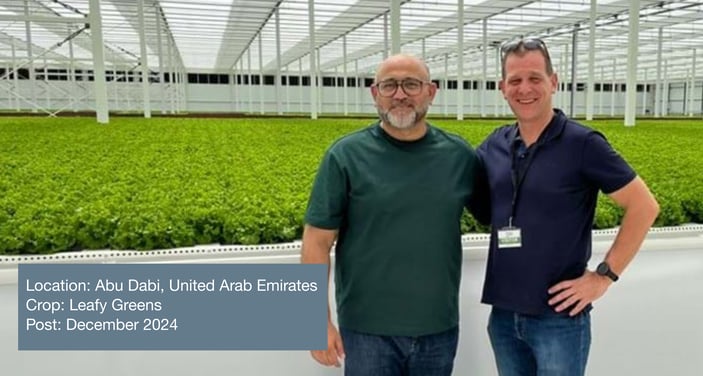
We had closed 2024 with a “making-of” account of Yazan Abu Jaish’s work to realize Armela Farms’ 30 000m2 warmzone greenhouse complex. As Chief Operating Officer, Yazan has embraced Plant Empowerment and worked with Svensson’s Climate Consultants Ton Habraken, Hugo Plaisier, and Pieter Mol on precise set points for their double screen setup. It gives the equivalent of 650 µmol of light and growing temperatures of 18 – 26°C, even when the desert sun is making a frying pan out of the road outside. You can’t take any chances when you are trusted year-round by the likes of Carrefour to produce 18,000 heads salad each day.
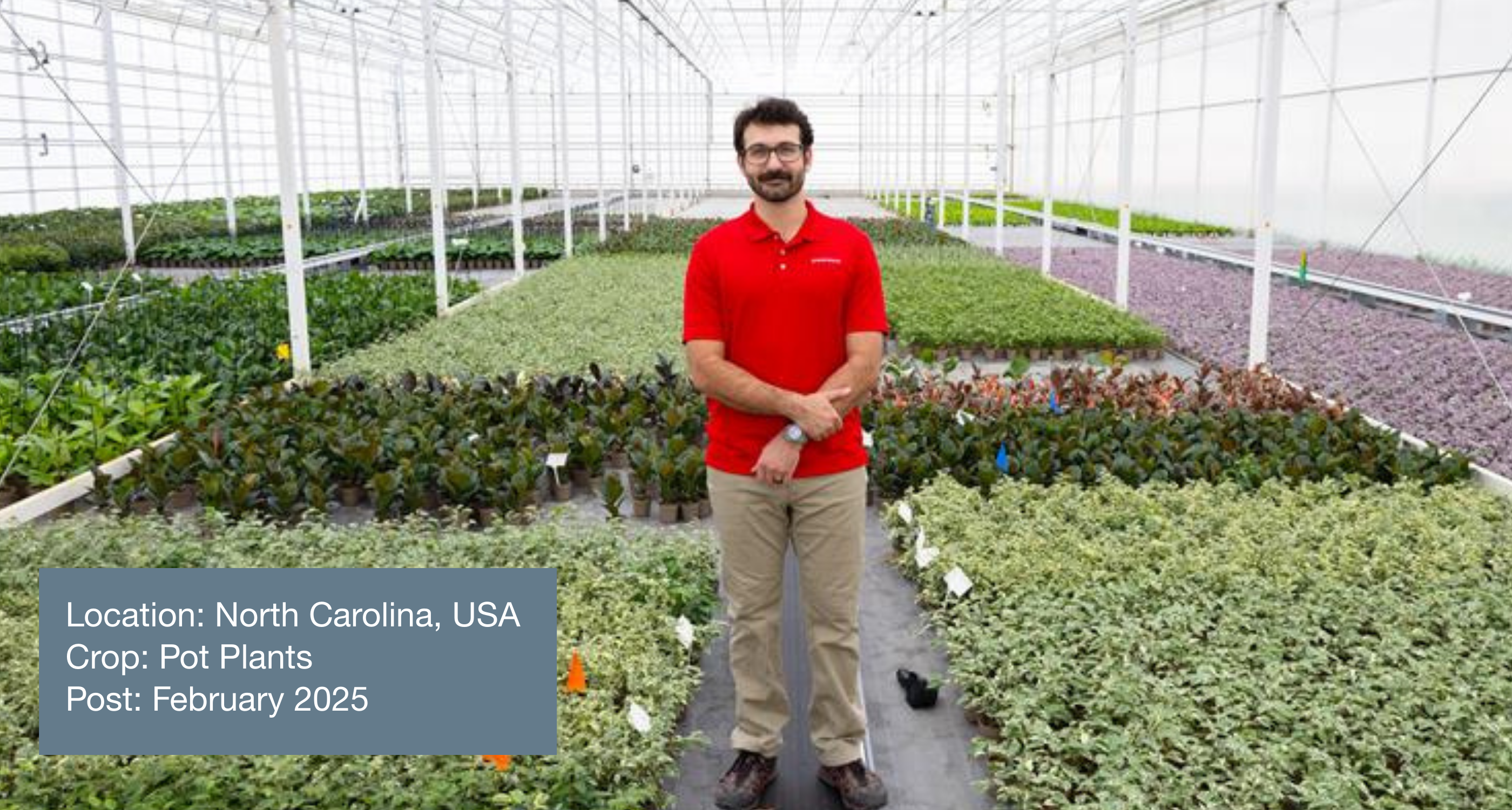
For February’s blog we crossed Africa and the Atlantic to North Carolina where Climate Consultant Paul Arena walked us through the struggle of growers to get combination pots, foliage and bedding plants ready for market in still freezing temperatures.
“It’s not that people are experiencing warmer winter weather,” Paul wrote, “the winter weather is just more unpredictable.”
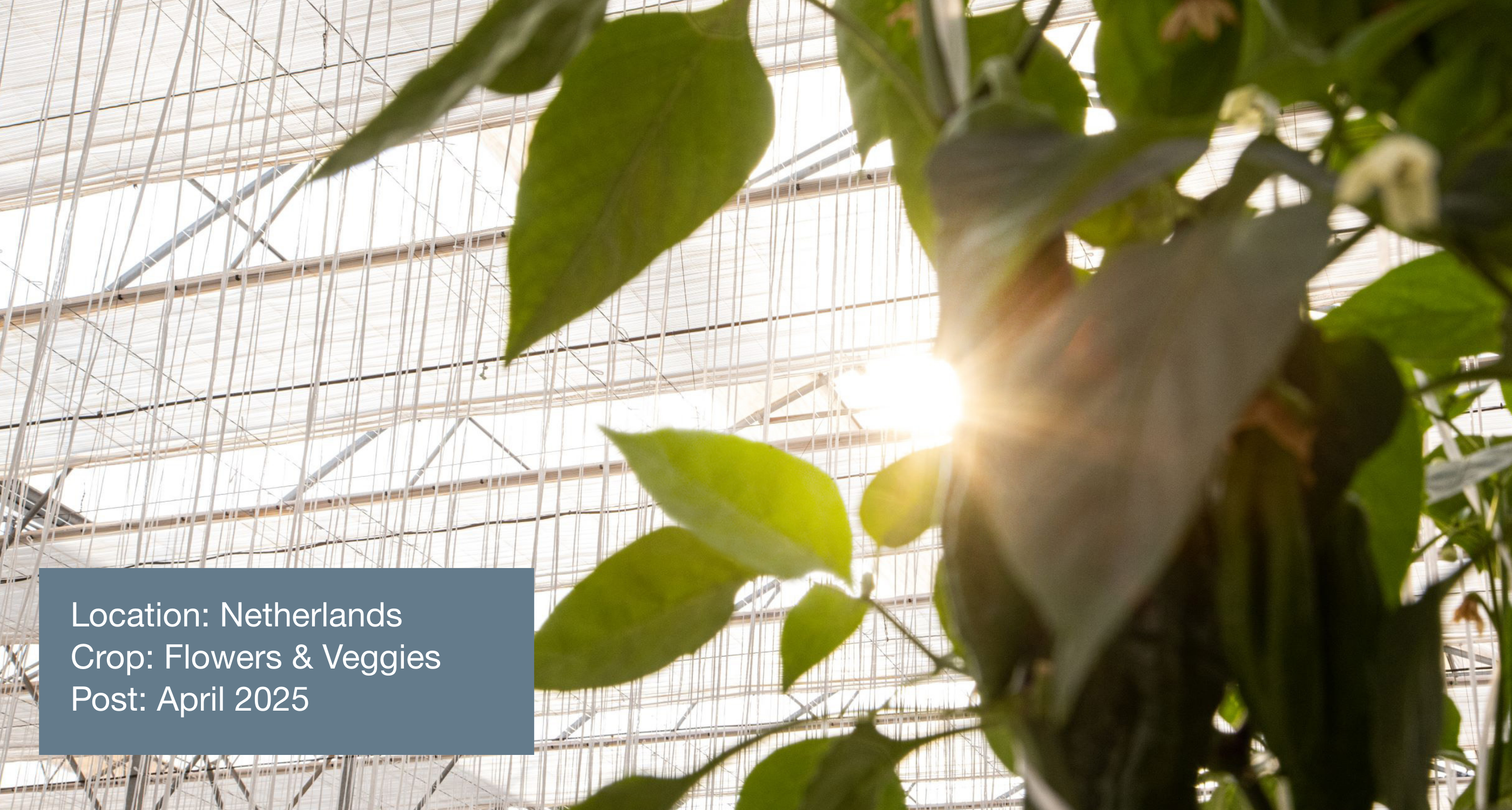
Back in Europe for April's post, Climate Consultant, Hugo Plaisier wrote about those bright days of spring that are so dry compared to the summer months. And of the sometimes forgotten risks of the spring climate.
“The combination of high radiation and low humidity is risky,” Hugo wrote. He explained that sometimes we miss what’s right in front of our eyes. For mother nature, photosynthesis has barely got started in the European spring. By contrast, in rainy June billions of tons of transpirated water are entering the atmosphere from all that new green summer growth.
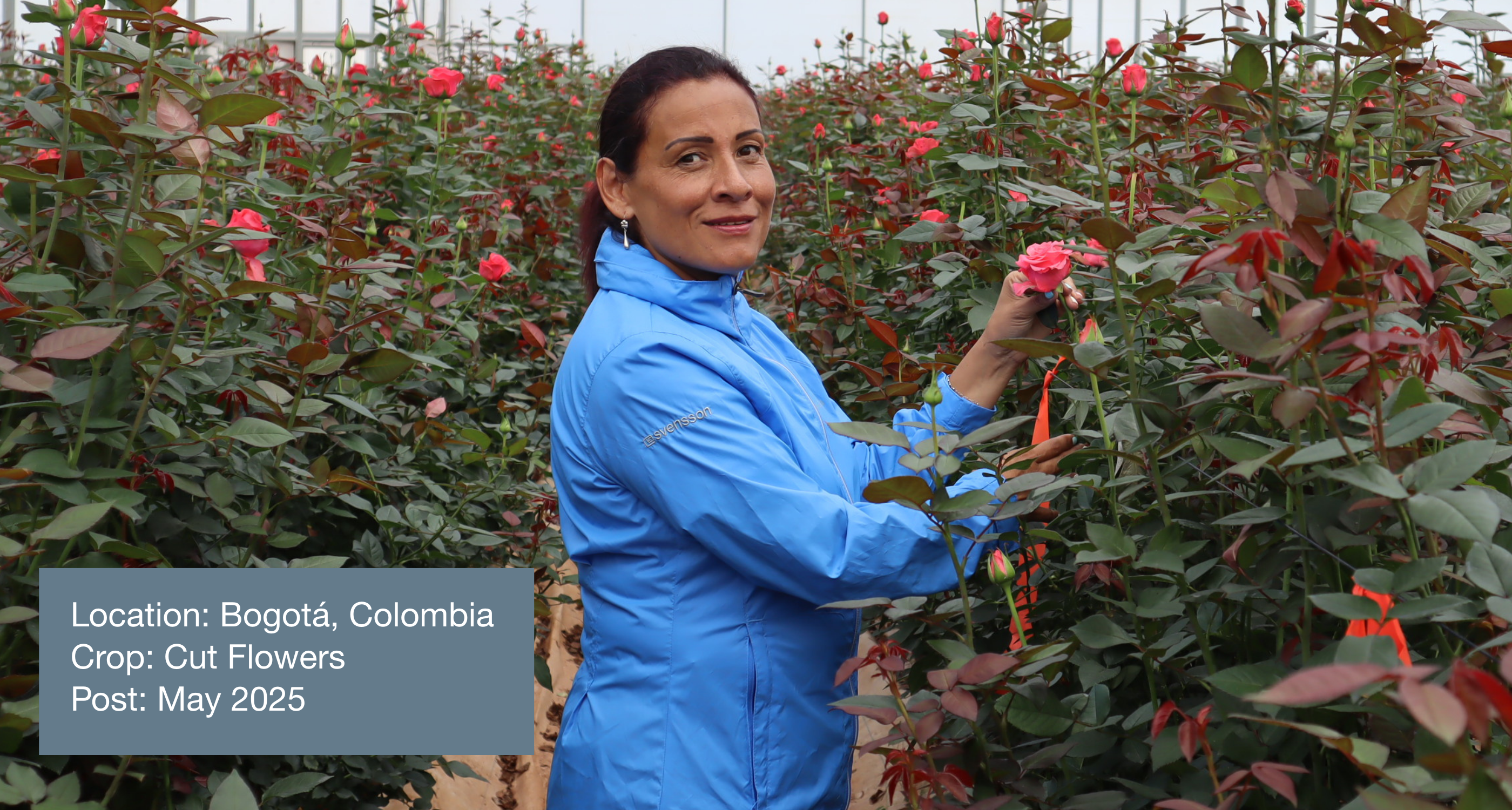
In May we crossed the Atlantic again, this time to Latin America and the preparations to send a mass airlift of roses, mums and carnations, to north for Mother's Day. With 1200 hectares of blooms in production at just one grower, Latin American teams must somehow manage in the very humid Colombian and Ecuadorian spring to raise temperatures enough to ready the crop, without allowing fungal infections to damage the crop with all that moisture hanging in the hot air.
Martha Alape, Svensson’s Climate Consultant in Colombia, shared her five-step strategy, and some personal reflections of her mother, Luz Maria, and their mutual love of cut flowers.
But perhaps the over-riding theme of the warmzones year has been the struggle against new peaks of heat and dryness.
From China to Mexico and the Middle East, summer temperatures were breaking records and stretching the ingenuity of growers. They were needing to protect crops using shade and ventilation and, in some regions, mechanically, without succumbing to a cost that weighs down a profit and loss account like no other - cooling.
In August, we’d had accounts from Svensson Mexico Climate Consultant, Héctor Parra, of the effects of a very hot summer there.
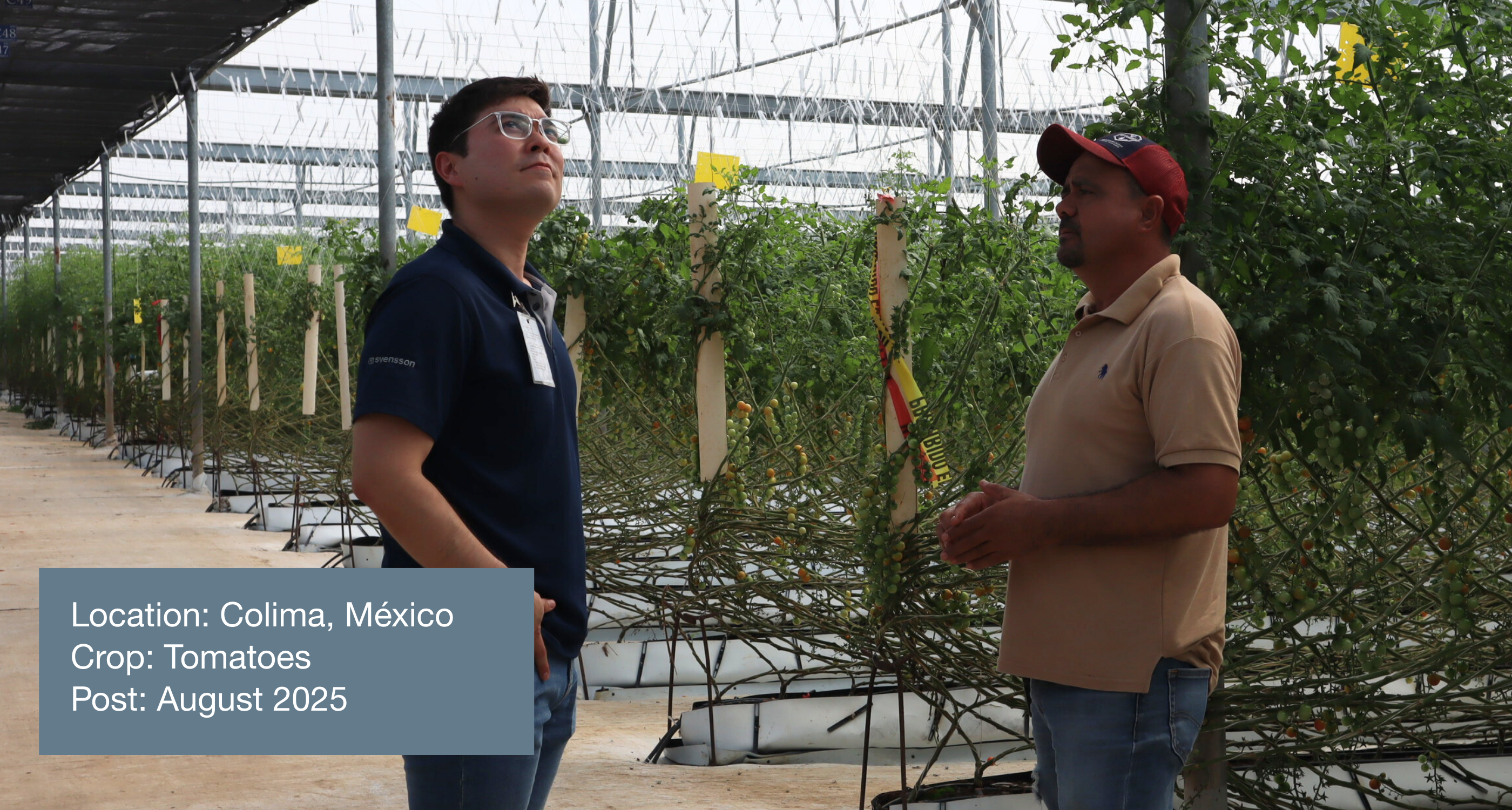
Then in November, we got to hear from our teammates Ying Ying and Zoey Zou in Shanghai, China. During the same August period the Shanghia regions broke temperature records going back to the 1870s. Not only was the temperature above 36°C for the entire month, but there was basically no rainfall.
Even growers operating new semi-closed mechanically cooled greenhouse were scratching their heads, they wrote.
“Chinese growers have been innovative with exterior shading,” wrote Ying Ying. “I think even these high-tech greenhouses, which currently tend not to employ exterior shading, could benefit from exterior shading.”
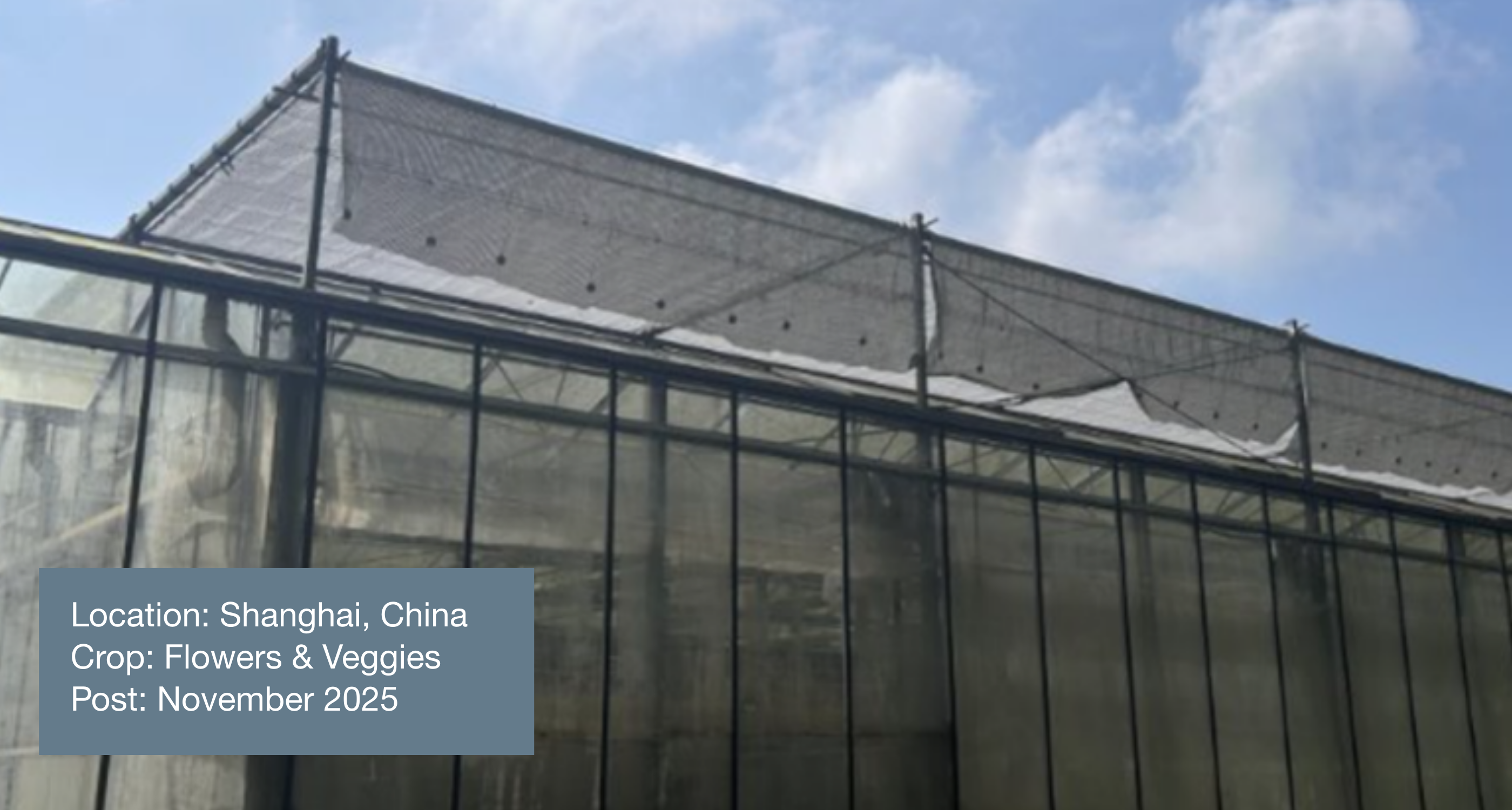
It looks like supplementary shade may be on the cards for some semi-closed operations, but 2025 was a year that saw many growers rethinking and evaluating new options and new technologies that can make their greenhouse not just sustainable, but resilient.

Related articles
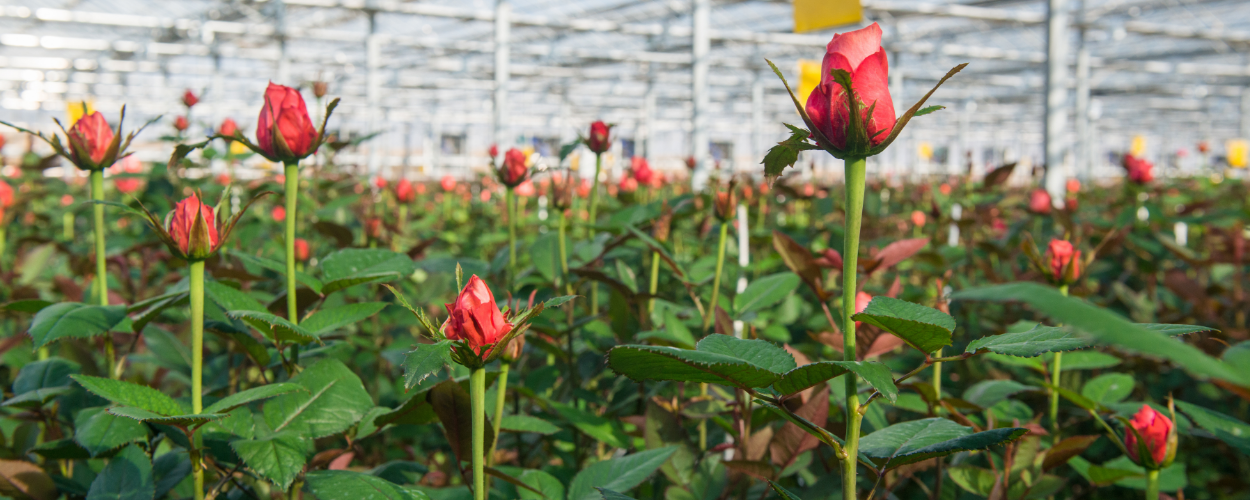
When every petal has to shine on a single (Mothers) day
Colombia successfully delivers another Mother's Day harvest Were you involved in the huge effort to get flowers to mothers all over the Americas this..
Once in a century heatwave forces Eastern Chinese growers to review shade strategy
Growers with greenhouse equipment from 10-20 years ago, and even growers with the latest high-tech Dutch semi-closed greenhouses, are having to..